

(ASBURY PARK, NJ � December 18, 2005) � It was a bittersweet day for the history of rock and roll music as musicians and music fans paid their last respect to the Upstage Club today. The short-lived, but greatly remembered place on top of the old Thom McCann building on Cookman is slated to be gutted for the arrival of a new condo building.
The Upstage Club is famous for helping to launch the careers of such legendary Jersey Shore artists as Bruce Springsteen, Southside Johnny, Bill Chinnock, Little Steven, David Sancious, and many more. Artists were known to jam all night long until the club closed at 5am.
A film crew led by Tom Jones of the Halo Group was given permission to film inside the old club. Interviewees included former Upstage regular Vini "Mad Dog" Lopez; Robert Santelli from the Experience Music Project in Seattle; and Carrie Potter, the Granddaughter of Upstage founder Tom Potter. Long-time regulars to the club like David Mieras and Eileen Chapman were also on hand as people came in and out all day.
In between the interviews, a slideshow of photos from Tom Potter's extensive collection of Upstage photographs was projected on to the wall creating a ghost-like image that seemed to strike just the right chord for the occasion.
Although much of the club has long been picked apart, several pieces of the Day-Glo psychedelic artwork remain in excellent shape on the walls and the framework for the famous stage littered with speakers in still in place.
In recent years efforts were started to save or preserve the club, but the real estate market boom for Asbury Park pretty much killed that idea.
Robert Santelli, once said that the Upstage Club "was really the birth of the whole Asbury Park scene, the whole idea that the Jersey Shore had something to say musically."
Bruce Springsteen wrote about the club in the liner notes for Southside Johnny's first record. "That club brought out everybody's talents. The kids at the Upstage were each in their own way a living spirit of what, to me, rock �n' roll is all about. It was music as survival, and they lived it down in their souls, night after night. The guys were their own heroes and they never forgot."



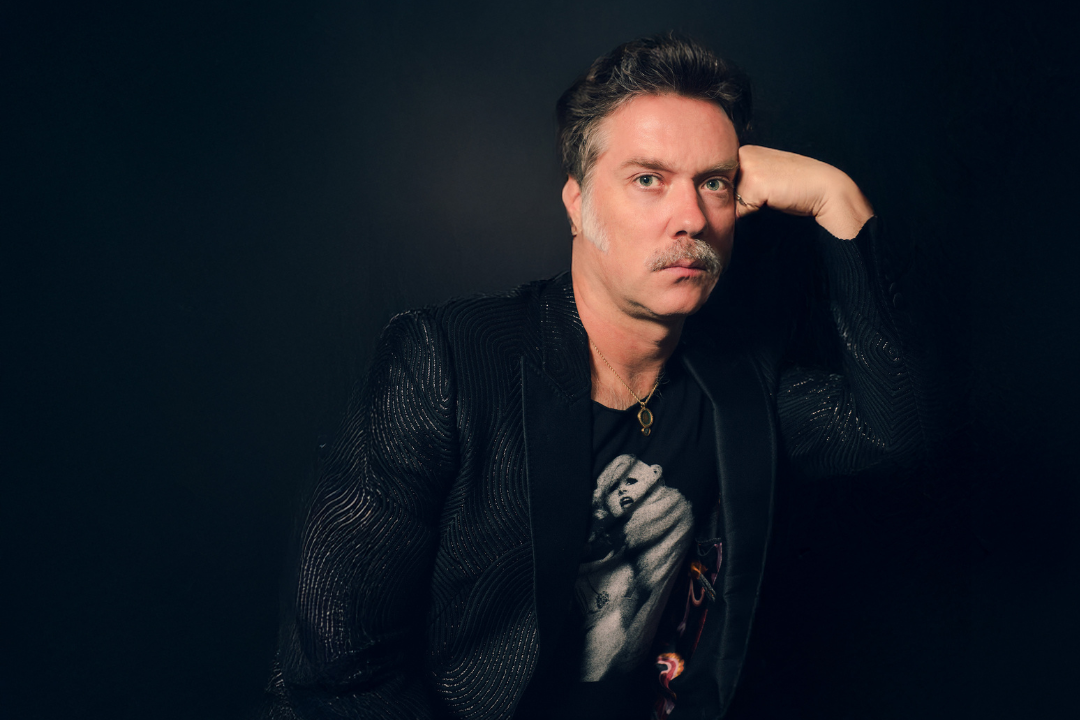
Praised as “the greatest songwriter on the planet,” by Sir Elton John, Rufus Wainwright joins the Princeton Playhouse Sinfonia for a special one-night-only engagement performing selections from his albums Rufus does Judy at Carnegie Hall and Want One, Want Two, and beyond. Princeton Playhouse Sinfonia is a dynamic new collaborative ensemble that brings together student musicians from Princeton University's Sinfonia, directed by Ruth Ochs, and Princeton Playhouse Orchestra, directed by Solon Snider Sway, alongside members of the Princeton Jazz Ensembles and local professional musicians.
On the mark of its 20th anniversary this year, Wainwright’s “Rufus Does Judy” is undoubtedly one of the most sensational shows from his incredible career, an exhilarating and loving recreation of Judy Garland’s infamous 1961 comeback concert. “Rufus Does Judy” made its premiere at Carnegie Hall in 2006 and garnered Wainwright’s first GRAMMY nomination for Best Traditional Pop Vocal Album. The full program has been performed globally including the London Palladium, Hollywood Bowl, Paris’ L'Olympia, and Toronto’s Luminato Festival. For the Colorado Symphony show, Wainwright will curate a special selection of his favorite songs from the album. 2026 will be the last time Rufus reprises this iconic show.
Rufus Wainwright’s Want One and Want Two have earned recognition as iconic albums worldwide, with Paste Magazine elevating Want One to the No. 1 album of the year, and Rolling Stone Magazine listing it in their top 5 best albums of 2003. Bowie hailed Wainwright’s song ‘Dinner at Eight’ as the “best father/son song he knew”. 22 years later, these songs have been given new life through lush symphonic arrangements by Sally Herbert (Woodkid, Florence + the Machine) and Max Moston (Antony and the Johnsons).
Combined in one program, these works form just a few of the many pillars of Rufus Wainwright’s extensive career—works that define his singular voice and fearless emotional range, merging vulnerability with spectacle, tradition with reinvention. Decades on, these songs continue to resonate as the foundation of Wainwright’s legacy.