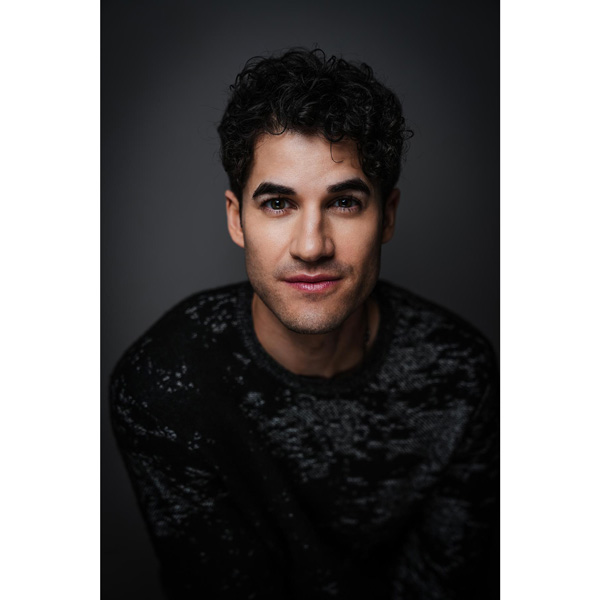

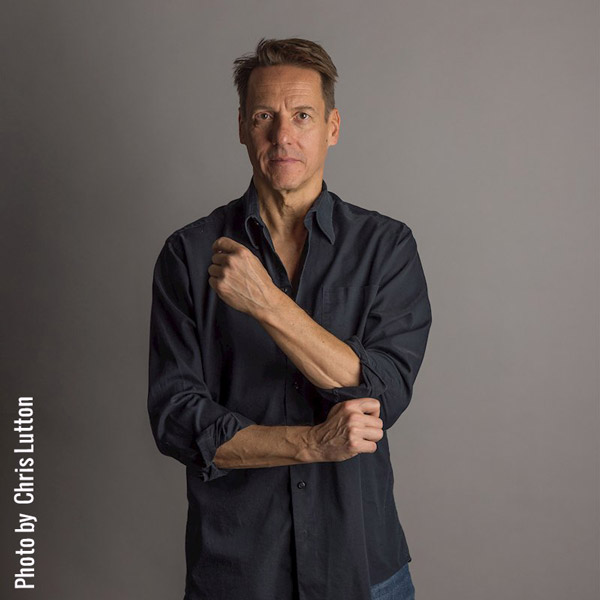
"I do, "Floating on the Dreamline;" I'm a music professor at The University of Massachusetts in Lowell, I'm a musicologist by training, that's what my doctorate is in but I've been a singer songwriter in several different formats since I was a teenager," began Alan Williams as he talked about his latest release, a crisis in confidence and more. "So, all of these songs had been closest to my heart in terms of music making; I grew up in North Carolina in Asheville. When I grew up there, there was not a whole lot of music, art or any of the wonderful things that are there now so I was desperate to get out and now I'm kind of desperate to get back because it's such a lovely place on earth and there is such a vibrant music and arts scene there that it sort of calls back to home."
Given the length of time he has been in the music business one may be a bit surprised that "Floating on the Dreamline" is only his third solo effort but there is more to him than meets the eye as his life in music began much farther south than Massachusetts so; what brought him there?
"Anything that would get me out of Asheville at the time," he laughed, "Mostly it was to go to school. When I was in high school, some friends and I would go to; Berklee College of Music would have these sorts of Summer sessions, kind of like a test to see if that was the right fit for you. I found out that it wasn't the right fit for me but instead it turned out that the right fit was just a few blocks down at New England Conservatory of Music where there was an odd program, it's still there, it's just under a different name but at the time they called it "Third Stream Studies" which was a word meant to evoke a blending of classical and jazz music. While I was there, it was more kind of about blending anything, it has since been rebranded as "Contemporary Improvisation." A number of people have floated through that program that other music audiences might be aware of whether t's Don Byron doing jazz, hip-hop and klezmer all wrapped into one or Aoife O'Donovan, she's now with I'm With Her, she was part of the program, John Medeski, a jam band organist. We've had a lot of folks who have benefitted from what I don't think people see as a traditional conservatory training but it was in that kind of building and we were encouraged to be more experimental even as songwriters and not necessarily as improvisors or classically oriented musicians so, it was a great experience for me. So, my musical journey took me up here and I just never could scrounge up enough bus fare to get back home. So, I ended up staying in New England for another 40 years since then in a series of musical settings; in a band called Knots and Crosses in the late '80s and early '90s and then later I formed an ensemble with my wife and my oldest best friend Greg Porter who stills plays bass with me so that's a nice sort of thing where the line continues; we were in a group called Birdsong at Morning and in the last five or six years, I've been doing music just under my name. I like playing in bands, I love what it's like working with other musicians even though when I was growing up I really loved the sort of one man band albums; the Stevie Wonders, Paul McCartneys, Todd Rundgrens, I thought, ooh I can do everything, that would be fun. It turns out that I actually really like making music with folks so the first band I talked about, Knots and Crosses, the lead singer in that band, she and I were a couple. We formed the band, we got married and then we decided to divorce but stay in the band; that was an interesting experience. Eventually that all fell apart, we kind of flirted with a major label, we were signed to Island Records for a while and when that all fell apart, I stopped making music and did a little more recording studio oriented work. I reconnected with somebody I had met in that scene, Darlene Wilson, who was known for producing a lot of up and coming singer songwriters from the Boston area; Patty Larkin, Bill Morrissey, Catie Curtis and then she and I became a romantic couple who were happily living life and doing things and then it struck us; I think it was back in grad school at the time. In grad school, they had a number of music ensembles and they had a string band ensemble and the director of that thought that it was really important that anybody who wanted to play in it should be able to be in it and Darlene decided to pick up a fiddle for the first time and join this group. She would come to Providence and play in the string band ensemble and what it did was open up our minds to say, maybe we could make music like we used to on the instruments we actually know how to play free from all of the pressures of trying to make a career out of it and that's what Birdsong at Morning became, it was a loose invitation to folks to come around the living room and just jam, play songs and sing. After a while it was just Darlene, my friend Greg and I that were there and one time, I wrote a song, the first song I'd written in maybe a dozen years. I was showing it to Greg and Darlene and we started to play it. We got to the chorus and the two of them spontaneously started to sing a harmony and there was a sound and we kind of stopped and thought, hmm that could be something. That became a group, that music was much quieter, so I started experimenting with trying to write string arrangements; we have a lot of recordings where there are string quartets or even small orchestras playing. Gradually, the electric guitar and drums came back into the fold. Over time, Darlene and Greg got busy doing other things and Birdsong at Morning just sort of became my outlet for my music and I decided to just call it my name since it's really me. Greg still plays bass on a lot of material but isn't always on everything, Darlene has unfortunately accumulated some hearing loss over the many decades and finds it really hard to perform; it's hard to deal with sound issues and so now it's just me."
As previously mentioned, this is his third solo record, something that even he seems surprised by and its title is one that has some depth to its origins but that's OK, Alan took his "Time" thinking about it.
"Who would've imagined it," he chuckled, "Floating on the Dreamline" is 12 songs. I think I was a little nervous about it when I was putting it together because it seemed like stylistically it was a bit all over the map, all sorts of different genres and styles and I thought, maybe I shouldn't do that. Then it came around to remembering a lot of the albums I grew up loving as a kid, Beatle records, just stuff where all sorts of genres could happen. "The White Album" could happen, everything known to twentieth century music is somewhere present on "The White Album" and why not do my own version of that? So, there are songs that may be a little more country rock-pop, there is stuff that's ethereal piano ballads, there are sort of New Orleans funk grooves, some prog-rock leanings, there is just a little bit of everything. There is something to alienate every taste or something to appeal to every taste (Laughs). "Floating on the Dreamline" comes from a line from the opening song on the album called, "Somewhere There's a Train" and the premise of the songs is that there is a guy in a dead end job in a dead end life and he imagines his whole world is just black and white and nothingness and somewhere out there is this non-stop vivid color party that he's never going to get invited to so he places that on a train, a train that just never stops. So, it's sort of a fantasy of that and in the bridge of the song is, "Climb on board, we're floating on the dreamline." It's one of those things where when you come up with an album title it's so hard; there's a woman I work with who helps me get the word out about music and she said, "Is there a theme that's present in the songs?" I said, "Yeah, interestingly questions about time seem to pop up on every song so maybe something about time" but it's hard to come up with something that's not cliche` referencing time and I was just banging my head about it. Then I needed to type up the lyrics so we could think about getting it out to the world so people could see them and I just happened to type that line, "Floating on the dreamline" and i thought, "Wait a minute, that's evocative" and it turns out there are a number of images on the album that are also about floating or in dreams and so maybe we'll go with that one. So, that's it, "Floating on the Dreamline."
Artists at times have a lot of self-doubt whether it be due to a fragile ego, being a perfectionist, possibly being one who is never satisfied or perhaps driven to do better; Williams readily admits he has lacked confidence in the past and sometimes still does when it comes to his art.
"Only years? I would've said decades," he laughed while referring to a recent press release that said after "Years" of doubt. "I think it's a little bit of a built-in mechanism for me. I also think it's a built-in mechanism for a lot of creative folks. There are exceptions, I like to think that Prince never doubted himself for a minute, he doesn't seemed to have but for me, I think there is often a sense that when I'm in the middle of something and I'm trying to keep a positive momentum, hey this is an interesting idea, it's worth developing, yeah this is starting to work I really like it and then somewhere in the back of it all, there is a little voice saying, no, no, no you're wrong, this is terrible and no one's gonna respond to this. So, I find myself fighting back and forth those impulses to the point sometimes where I even have to pretend to think I like what I'm doing in order to get to a place where I can like what I'm doing. There's a song on the album called, "Before My Eyes" and in the songwriting process for me, a lot of times, I'll just be sitting with an instrument and words will start to pour out, they may not make any sense but they'll be little fragments or phrases and that's what was happening with that song. I thought the fragments and phrases weren't really a lyric, they were just place holders. So, I spent almost a year trying to make a real song out of it and just failing miserably. I'd think it was good and then I'd look at it the next day and go, "No that's not it" and finally a little voice said, go back to the original thought and see what's there. I saw these little fragments and I thought, OK, let's keep them and can I make a song kind of writing around it? So, the theme of the song ended up being that good things are always present if you can just get out of your own way. Which was part of the songwriting process but also about getting past those issues of doubt and sort of losing your confidence along the way. Don't worry, turn the corner, there are good things."
"The first album I put out under my name, I put out twice," he continued once again with a laugh. "I made it in the early '90s and then had a complete loss of faith, that whole doubt thing took over. I pressed it, I have a thousand unsold CDs but then decided not to give it to the world. I was really embarrassed about it, kind of ashamed somehow but then there would be songs from that album that I remember kind of liking and I'd go out and play a show and play a song or two from it and I thought, the songs really aren't so bad; what is my problem? Let me go back and listen to it. So, I went back and listened to it and what I realized is, it did sound good, it was well recorded, the songs stood up but what was a little bit weak was my vocal performance because it was the first time I had done solo stuff and I wasn't allowing myself to give. So, I re-recorded the vocals like 20 years later (laughs) and it came to life. The music worked and I didn't labor over it too hard; it was two things, it allowed me to reclaim the songs which was nice and it was also really kind of fun to have 50 year old me singing along to 25 year old me was a weird little time machine; I got a kick out of it anyway."
"Floating on the Dreamline" is only available in a downloadable format and Alan is perfectly fine with that, citing expense and the changes in how audio is purchased and absorbed in today's market.
"I think a lot of us musicians who don't have big fan bases and with many people not buying compact discs anymore and the vinyl thing, in my mind is overpriced packaging and takes up so much space in room and weight and all that stuff and for many years, I've been doing immersive album or surround sound. I love working that way and I love mixing and listening to music that way and to get the songs out to the public I would press blu-ray discs as well as compact discs and there is a whole bunch of expense for mastering the audio, a whole bunch of expense for authoring a blu-ray and then of course the manufacturing and for a musician that doesn't have the big fan base, that's a large amount of money to spend just to get ready to put it out to the world. There was a little company that approached me that does download only versions of this sort of immersive surround sound stuff and I realized that even with a really large file size that people are willing to pay for they could do them and I wouldn't have to make the blu-rays, that would save so much money. Then just honestly, because I work with so many 20 year old students, they've never bought physical product in their life, they don't think of music as something to hold in your hands. So, all of the streaming platforms; they're all problematic and no one loves them but everyone uses them and so it's sort of like, OK, I'll make my music available for free to all of these folks who want to stream it because I really don't have any option but at least if I'm not spending a lot of money on manufacturing product, then I can spend a little bit of money trying to help people find that music because in the end, I do have a job, I'm a college professor, I don't need the music to pay my rent. So, if I can find a way to reach a larger audience just so people can hear the music, I'd rather spend the money in that direction."
Most who release new music follow it up with a tour or a media blitz but not Williams, he has chosen a different strategy.
"I've saved some pennies and I'm gonna find a wishing well and make a wish every day," he once again laughed. "There are ways to reach people via the internet that I've become aware of and am more comfortable with and in terms of performance, I have been for many years now trying to go out and play solo because economically that's the easiest way to do it. Partly because you can do it in smaller places; I've done a lot of house concerts where people invite you into their home and you play for 20, 30 people, it's very intimate. You're not gonna make a thousand bucks doing it but often people will put you up for the night, maybe feed you a meal and what's really cool is you are playing music for people almost kneecap to kneecap and you get an instant response from it. You know what hits people, where the energy goes and you can kind of have fun with it. So, I really love getting to play in a small intimate setting, the problem for me lies in my brain where the music is often much bigger than that and I want to have the drums, the extra guitars, orchestra and all of these things. So, if I can, I'll figure out ways to occasionally do performances with numbers of musicians. We're gonna do a release concert to celebrate the album coming out at the end of March at the university where I teach so I've got a stage that I have access to but I'm bringing in the players who played on the record. The drummer and the bass player are my oldest friends in the world and I've been playing music with them since before college and also, a couple of current students and another set of former students who have gone out and formed careers of their own, they're gonna come back and play on the show. This will be a really nice opportunity for me to make a big loud noise on a big stage in front of a relatively decent sized crowd I hope and bring some of these songs to life in a way I've always envisioned them. Then after that, I'll probably have to take my one guitar and play for a small number of people and sometimes the setlist will be radically different because there are some songs that just don't work without the band and likewise, there are songs I've written that work better as just me in front of a small group; I'll try and do a little bit of both."
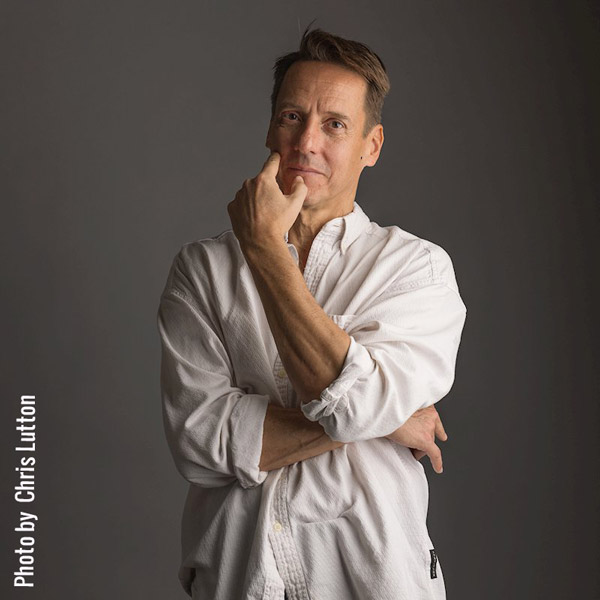
To discover more about Alan Williams, please visit www.alanwilliamsevidence.com
That's it for this week! Please continue to support live and original music and until next week....ROCK ON!