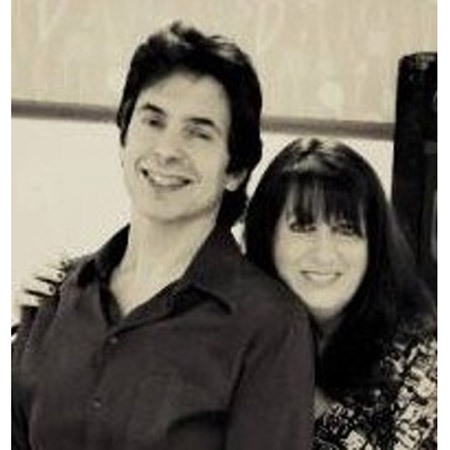

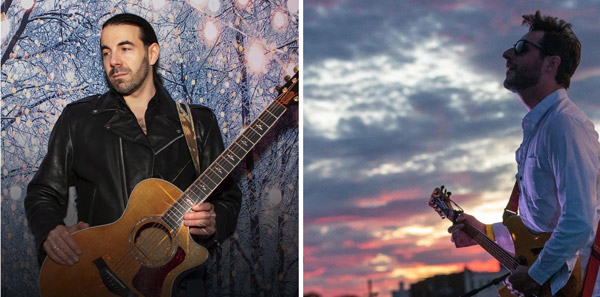
Every coin has two sides. Every suburb has its city. Every New Yorker, eventually, has an opinion about New Jersey. Brian Erickson and Phil Robinson have gone one better: they’ve switched sides.
Erickson, born in New York, lives in New Jersey but refuses to shake Manhattan’s cosmopolitan call. His music sounds right at home on a late-night wander through Chelsea or SoHo.
Robinson, born in New Jersey, lives in New York but has carried on a love affair with the Garden State since he first found Bruce. His songs practically come with the smell of salt air and the sound of a boardwalk beneath your feet.
Somewhere in those complementary contradictions, the NY/AP Music Exchange began to make perfect sense. Both men have held longstanding booking residencies throughout their adopted home states, and after recently reconnecting, they decided to put their heads together to build a bridge between their two scenes.
NJ Stage recently caught up with the two to discuss the ongoing project: what it is, how it works, and what artists and show-goers on both sides of the Hudson can expect.
What is NY/AP Music Exchange, and what problem is it trying to solve for independent artists?
BRIAN: Four bands, two venues, two cities. It’s a great showcase, if you’re able to do it.
And from my perspective, Asbury Park is an excellent music town that’s also incredibly easy to get stuck in. It’s supportive but it can get insular sometimes. This helps get people out of that cloistered area with a friendly assist.
PHIL: Most bands are very eager to play out-of-town shows—but often it’s hard for them to get booked in a brand new city because they don’t already have an audience there that would go to support their night. By pairing up bands across the two cities, they each benefit from having the other band ‘share’ their audience with them, and so their very first show there can be a well-attended success as well as an opportunity to gain fans that’ll come back next time.
You’ve each been booking shows for years. What made you realize there was a better way than the traditional “come play our town and hope for the best” approach?
BRIAN: Phil and I each book certain rooms regularly. And show exchanges are quite common among touring bands but less so among locals, in my opinion. I think it occurred to the both of us that setting up a standing set of events like this could help artists in both locales grow their audience. We’ve already got the venue contacts and frequently need people to play them anyway, so the question could almost be: ‘What took us so long?’
PHIL: Swapping shows across cities is a tried-and-true approach that many indie bands already use to great effect, to “break into a new market”-- but often it’s on an ad hoc basis with bands reaching out randomly online. What Brian and I are offering with the Exchange is almost like a matchmaking service between NY bands and Asbury bands, to grease the wheels of the process a bit!
The Exchange asks local bands to essentially “host” visiting artists in their own city. Why was that element so important to the concept?
PHIL: Apart from the fact that it’s FUN to make new friends, arguably the most important ingredient to a successful live event is… getting an audience to show up! With the Exchange, the “host” artist lends its audience to the visiting artist, and then the favor is returned when the pair swap places. Each band’s audience is exposed to great new music, and hopefully each band gains new fans. It’s win-win.
BRIAN: Logistically, it helps when the “host” bands share some of the more cumbersome equipment like drum kits and bass setups. But mentally, few things are better than making a traveling artist feel welcome in an unfamiliar room. I think it directly contributes to someone being able to focus up and play better.
Brian, you’ve spent years working in the Asbury Park scene not just as a booker/promoter, but also as a performer. What do you hope New York musicians discover about Asbury Park that they might not expect?
BRIAN: I hope they leave the event feeling like they’re now a part of the community. And if they play well and engage with the audience, I hope Asbury Park’s “host” bands/venues invite them back for future dates! I’m not an owner, I’m a steward. And it brings me a lot of satisfaction to see bands setting up shows of their own in rooms where I originally booked them.
Phil, you’ve become one of the most active independent bookers in New York. What excites you most about introducing your favorite locals to a completely different community?
PHIL: As a performer myself, I LOVE the thrill of playing a brand new city, and embracing the challenge of winning over a roomful of strangers one by one over the course of the set— it’s rewarding in a different way than playing for your local crowd of hard-core fans again and again (which is ALSO awesome, don’t get me wrong!). I’m really excited for my fellow NY acts to enjoy that thrill as they embark into the unfamiliar “wilderness” of Asbury Park!
This isn’t just a one-night-only event. It’s two shows, one month apart, with the exact same lineup. How does that change the experience for both the bands and the audience?
BRIAN: It offers both security and familiarity. Two bands from each city get a little closer to one another and with the other city’s acts. That builds camaraderie and extends an artist’s network.
PHIL: Also, it’s motivating, as each city’s bands have an equal amount of skin in the game. The bands that host first are going to be inclined to show the visiting bands the royal treatment (and to encourage their fans to do the same) because… one month later, the shoe’s going to be on the other foot!
When you’re putting together an Exchange lineup, what qualities are you looking for? Is it about genre, professionalism, audience draw, or something else?
BRIAN: Professionalism goes a really long way. We do ask for reasonable draw from each of the “host” artists so that the out-of-towners have a crowd to perform to; but that rolls into the professionalism part. Just be a good performer, make music that you think an audience will be able to connect to which also means something to you. That’s a heavier lift that people think it is!
PHIL: Generally, musicians love other musicians—they ‘get’ each other. I love to put together lineups of bands just based on the fact that I think they’ll really hit it off and vibe with each other, and that they’ll have a great time hanging out at the venue all night taking in each other’s sets. This game is all about relationships, and when you make genuine friends on the scene, the friendships endure, and usually… EVERYTHING else flows from that.
Success isn’t always measured in ticket sales. At the end of an Exchange event, what are you going to need in order to feel the event really worked?
BRIAN: At the end of Night One, I’m going to need all four bands excited to come back the following month and do it again. And at the end of Night Two, I’d love to see everyone exchanging info, doing show swaps on their own, that sort of thing. Ideally, we’re going to want venues excited to host the next round of events, as well. That’s the key! If the venues don’t want to do it, we lose it. So, there’s plenty of motive to ensure they’re having as good an experience as possible, too.
PHIL: What Brian said! We want everyone involved to have had such a great time they’d naturally want to do it again: the venue, the fans, the bands… And now that all those relationships have been established, they don’t necessarily need to go through the Exchange next time, they can just organically build on what’s already been started.
If you’re a musician reading this, and you’re interested in performing, what kind of attitude or mindset makes you a good fit for an event like this?
PHIL: Be willing to bring out your local audience and ask them to take a chance on a cool new band from out-of-town that you’re sharing the night with— and in return, you’ll be treated to the same royal treatment when you’re the out-of-town band in a room full of strangers.
BRIAN: Be open to new places with unfamiliar people, even if it comes with a little bit of friction. Here’s a chance to lock down two shows in one sitting; I’d make that deal every time, even if I might have to leave work a little early.
Where would you like to see the Music Exchange in five years? Is this something that could eventually connect even more music communities beyond New York and Asbury Park?
BRIAN: It’d be terrific to see this extend into new cities and locales. The Baltimore/Philly Music Exchange, The DC/Richmond Music Exchange. But you need a willing enough set of music communities with people eager to help manage them. It’s possible, but it’ll take some doing!
PHIL: We’re starting off with venues that are receptive to relatively unknown acts, but over time I’d love for some of the larger, epic-scale music venues (and bands) to embrace the value of the Exchange and join in on the fun!! Let’s have NY bands play their first shows at The Stone Pony, and Asbury bands play Mercury Lounge or City Winery NYC!
The bands taking part in the first NY/AP Music Exchange are New York-based artists Self Perpetual and Charlie Sub & the Sound Dogs with Asbury Park-based Monte Maybe and American Girlfriend. They performed Monday, August 10th at Cowgirl Seahorse in Manhattan to a near-capacity room. The four will perform in New Jersey on Wednesday, September 16th at the AP Brewery in Asbury Park. Events run from 7:00pm – 10:00pm and are free for all ages.
Mark your calendar for October 13th at Cowgirl Seahorse and November 11th at AP Brewery for future events. Follow @ny.ap.music.exchange on Instagram for all future show announcements.


With Special Guest KK’s Priest
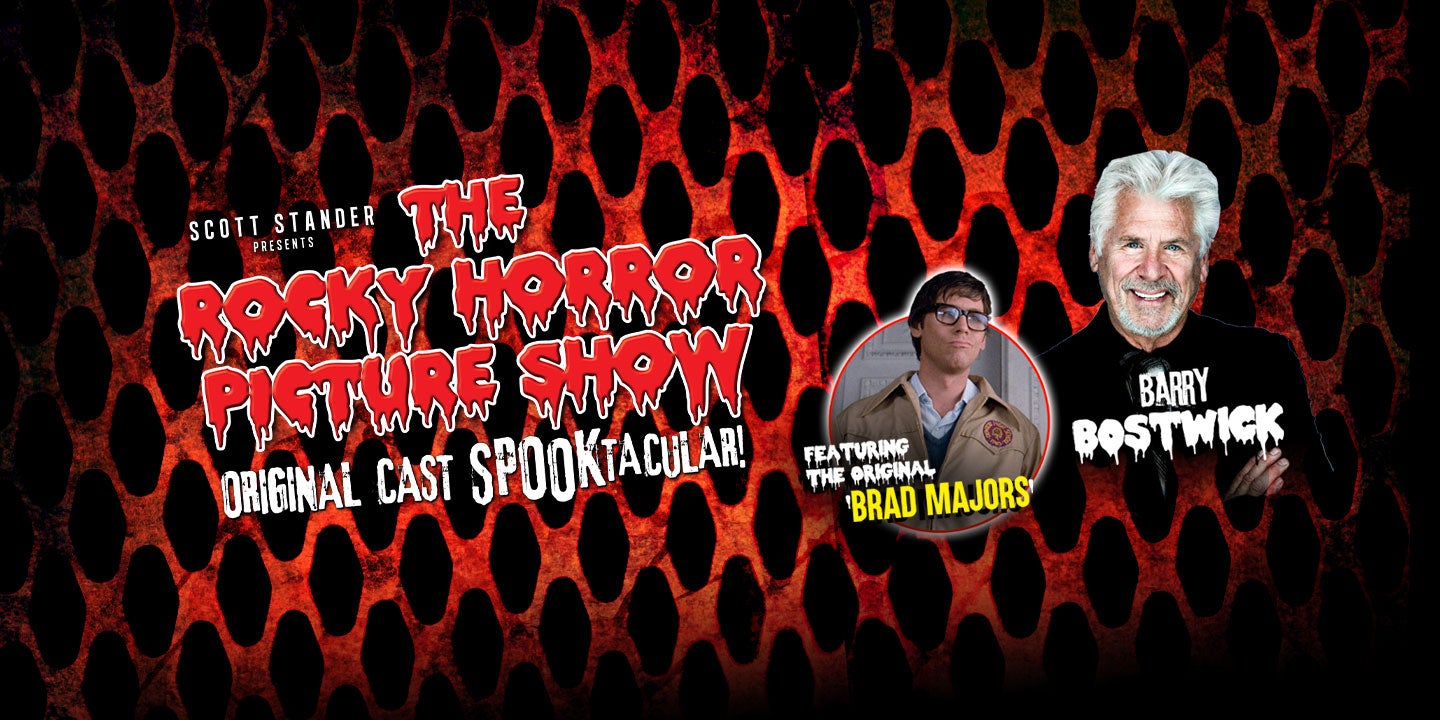
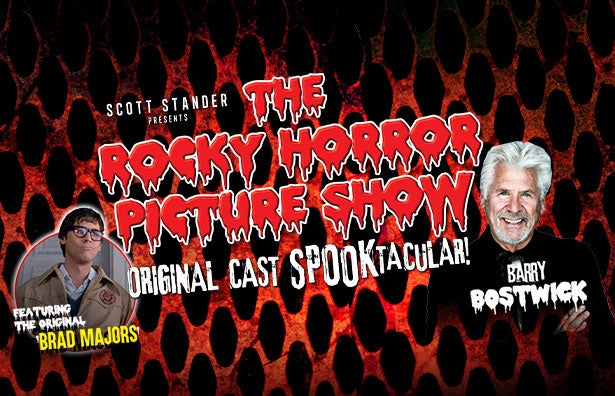
Join the original "Brad Majors"—BARRY BOSTWICK—for a screening of the movie in a new 4k restoration with a live shadow cast and audience participation! Plus a memorabilia display with artifacts and an actual costume from the movie, a costume contest, an after party immersive experience, and more!

Stop The Funeral – The Remix is an electrifying multimedia stage production that fuses live theater, cinematic sequences, and interactive social media engagement into a fully immersive experience.
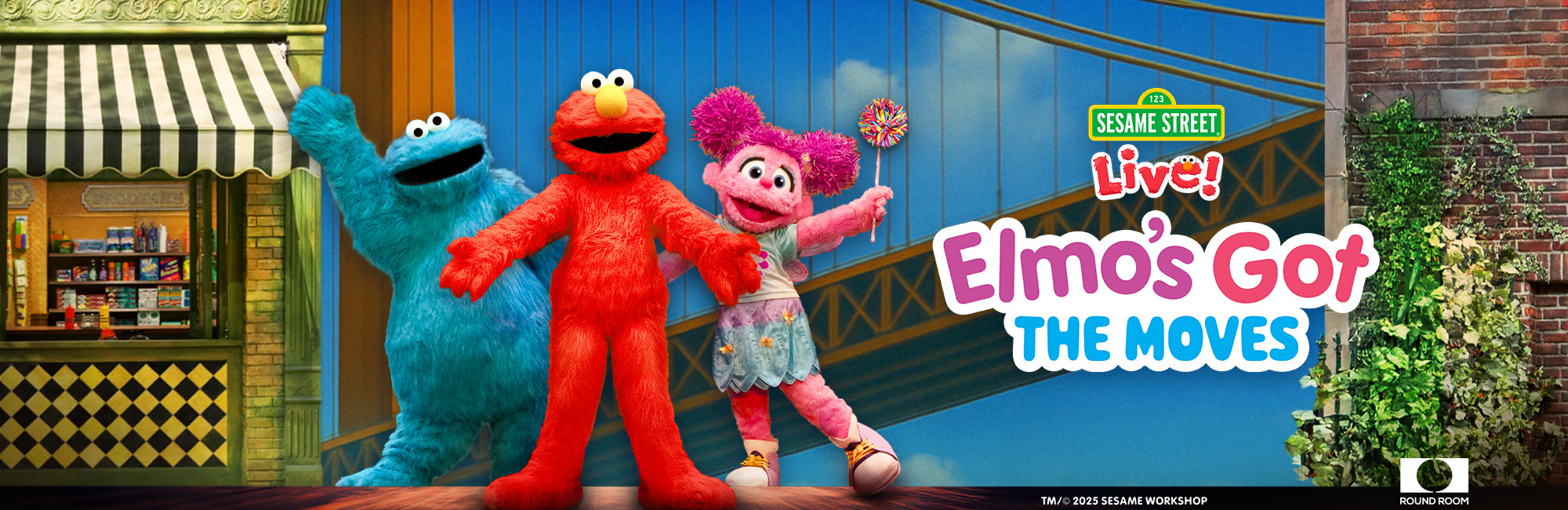
Make unforgettable memories with your little ones at Elmo’s Got the Moves—the all-new Sesame Street Live show coming to your neighborhood!
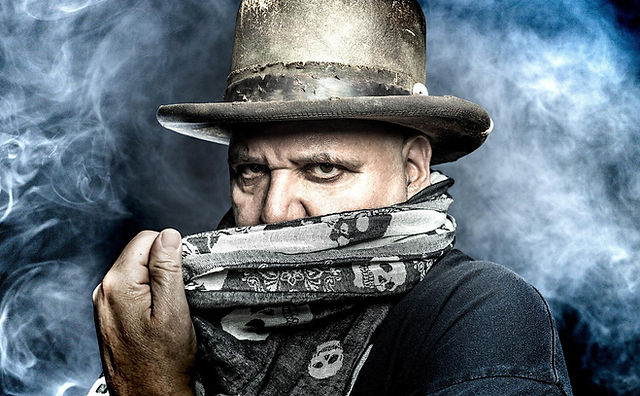
Popa Chubby has been hard rocking the blues in his fierce and soulful way for more than 30 years. Over the course of a career that dates back to 1994, he has been a force to be reckoned with on the guitar, and his tempestuous, soulful playing has never been more powerful. An imposing figure with a shaved head, tattooed arms, a goatee and a performance style he describes as “the Stooges meets Buddy Guy, Motörhead meets Muddy Waters, and Jimi Hendrix meets Robert Johnson," Popa Chubby is an endearing character who is one of the genre’s most popular figures.