

Parkinson’s disease is a progressive disorder of the nervous system that affects your movement. It develops gradually, sometimes starting with a barely noticeable tremor in just one hand and eventually affecting almost every part of the body. Some of the most recognizable names with Parkinson’s include Muhammad Ali, Michael J. Fox, Linda Ronstadt, and Bob Benjamin whose 40th birthday party led to the creation of the Light of Day Foundation.
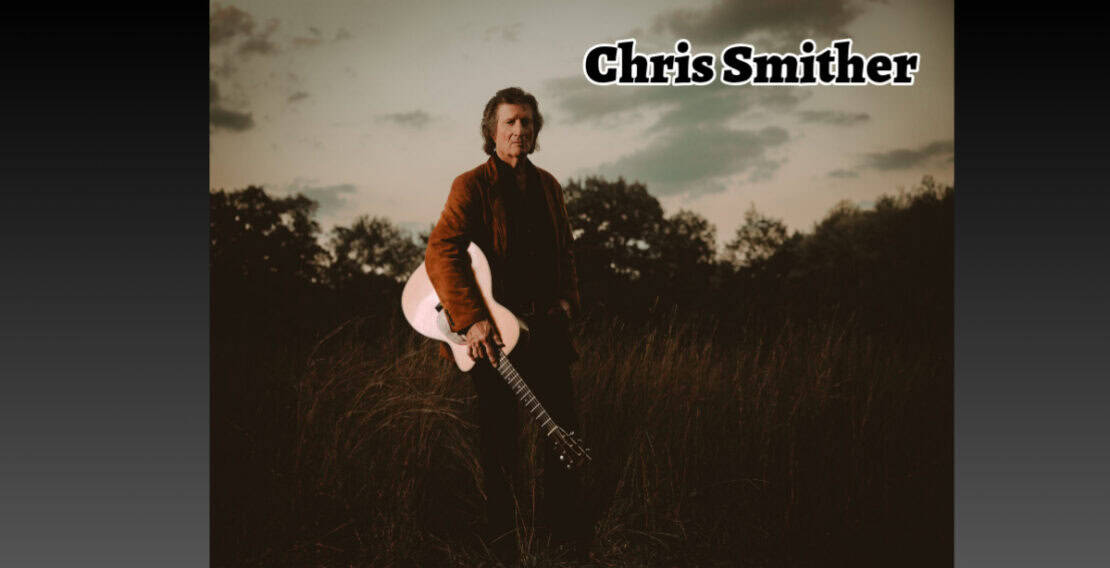
Many music fans have learned about Parkinson’s disease from the annual Light of Day concerts, which raise funds to help find a cure for the disease. Light of Day has expanded from a single show in Asbury Park to events held on 13 countries on 3 continents. The shows return to Asbury Park for 10 days in January, including one night that includes a performance by Arlon Bennett, an artist diagnosed with Parkinson’s in October 2010.
Bennett, a folk musician whose songs evoke memories of Harry Chapin and James Taylor, had suspicions of something wrong for a few years prior to the diagnosis. As a finger-picking guitarist, he noticed his fingers stumbling during patterns he had down cold. But no matter how prepared you are, hearing the official diagnose still hits hard. Bennett recalls feeling numb when his doctor told him the news.
“It was like is this real? I feel fine,” recalled Bennett. “But then I immediately got to doctor googling everything in sight and reading everything. I learned a lot about this beautiful body of ours and saw that I didn’t have to take it lying down. Was I depressed for five minutes? Yeah, maybe a little more than that, but I pulled it together and said onwards!”
In addition to reading whatever he could find on Parkinson’s, Bennett decided to change everything about his life from his attitude to family to diet and exercise. He thought that the onset of Parkinson’s must have been based on a set of circumstances that had been in place, so the logical next step was to change his circumstances. He looked at the air he breathed, the water he drank, and the food he put into his body.
“If you look at it like a house, I had to fix the foundation,” he explained. “I needed to make sure there were no cracks in the foundation before I started tinkering with things that could be disease modifying. So I went to the foundation of the house - the membrane of the cells. I said I’ve got to feed the membrane the right oil, the right nutrients, and give it the right exercise.”
Three years after the diagnosis, Bennett decided it was time to let people know. Covering up for disease-related miscues on stage had begun causing anxiety for him. He began thinking that keeping the disease a secret was hurting him more than simply making it public.
“If you try to take the stage and you’re feeling anxiety that you wouldn’t normally feel, it affects your playing,” he continued. “You get this self-conscious feeling and it spirals down and affects your emoting when you try to perform a song. It’s not healthy; music is supposed to be something you enjoy and love. The disease makes you anxious and I knew it was causing more anxiety, which is unhealthy. So, I said I was going to have to tell everybody I had Parkinson’s. This way I can do the music without fear, without encumbrance, and without self-consciousness. And so that exposed a whole new paradigm. If I tell people I have Parkinson’s then I have a story to tell and to teach, and I’ve got awareness to spread.”
The announcement was made at the Northeast Regional Folk Alliance (NERFA) annual conference. The Folk Alliance is an important group for Bennett and he thought it made sense to let his musical community be the first to know. He hosted a showcase called “Mind Healing Songs From The Heart” and invited a dozen performers whose lives had been touched in some way by neurological illness (ALS, MS, PD, etc.) to share an original song. Bennett went last. As a performer that has always lent a hand to causes and benefits throughout his career, it likely didn’t surprise anyone to learn that Bennett was going to turn his situation into a positive one. And he did that by launching The Healing Project, an effort to use music to heal.
“Whenever I’ve been hurt in the past, it’s always been a song that has cured me and pulled me out,” said Bennett. “I’m not a music therapist. I have friends who are and they do the real work of this. I’m not pretending to be a therapist. All I know is that music can heal.”
Bennett’s music with The Healing Project isn’t that different from the songs he wrote before, but there’s more of an emphasis on writing songs that are positive and upbeat. He says some songs are written specifically about Parkinson’s, but generalized so they can apply to people facing any type of challenge.
The title track of his last album, World of Possibilities, is a perfect example. Released in 2013, the song was written about the challenges Bennett faced with Parkinson’s. Yet, the song itself is full of hope and optimism for the future. World of Possibilities was his fourth release following Fountain of Dreams (1999), The Watch Man (2001), and Summer’s Voice (2007). Bennett admits that being diagnosed gave him the push to finish the album.
“I said to myself, ‘I’ve got some songs to get out here,’” he recalled. “I naturally intend on healing from this, but in case I don’t or it gets too hard to play the guitar, the prudent thing is to get the songs out of you while they’re there. ‘World of Possibilities’ is probably the only song I wrote strictly about the condition. The others were songs I had in waiting. The next project will be The Healing Project itself and it will have a new collection of songs.”
The Healing Project record will probably be released next year. In addition to new songs, the record will be a compilation of tracks that he’s done before like “The Watch Man” and “Don’t Turn Back Now.” All will be positive and inspirational or spiritual in nature.
Playing guitar every day offers inspiration to Bennett and lets him keep tabs on his condition as well. He says he can still shape chords pretty close to the way he’s always done, but his right hand is slower and strumming patterns are getting a bit uninteresting due to having only one rhythm. He’s aware that some of the progression has already taken place. Some days are better than others though — days in which he finds he can do more.
“I believe by doing it, I don’t lose it,” he explained. “I keep working because I need to keep those connections working. Something might be working because yesterday at my doctor visit I found out that my right hand dexterity has gotten better from the last exam. It’s interesting because the disease is degenerative and I got better in one side. That’s a good sign and keeps me working.”
“I can’t complain, I’m hanging in there,” he added. “It’s an on-going war; you just pick your battles and march ahead. I’m doing pretty well, all things considered.”



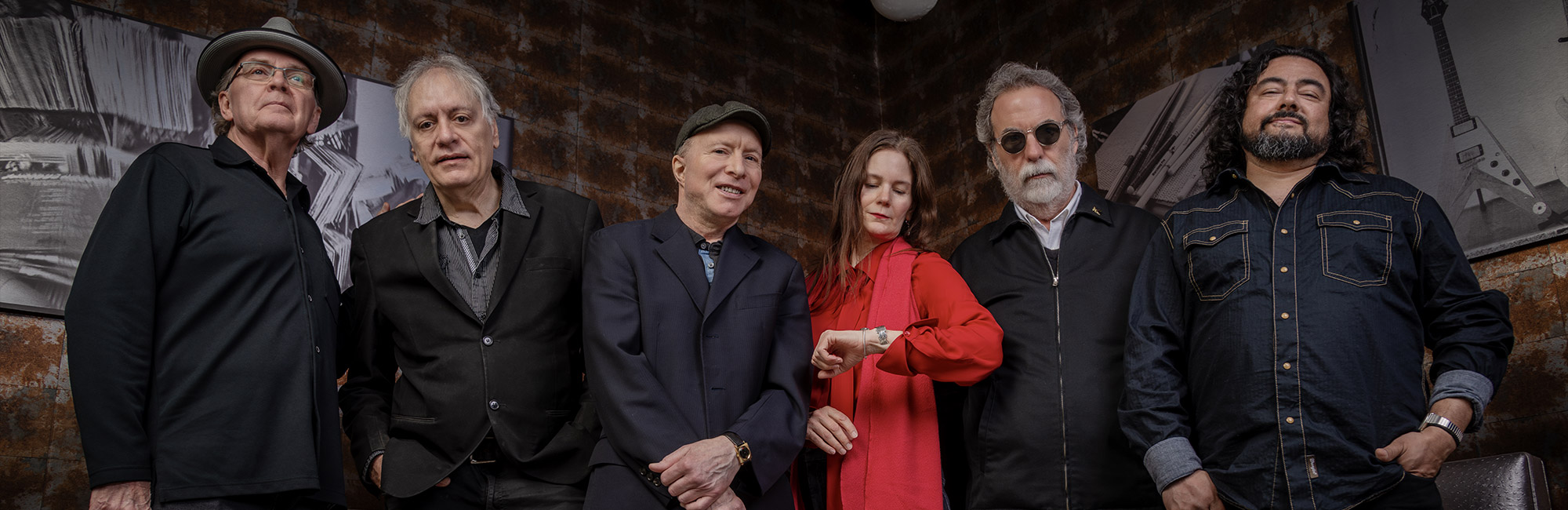
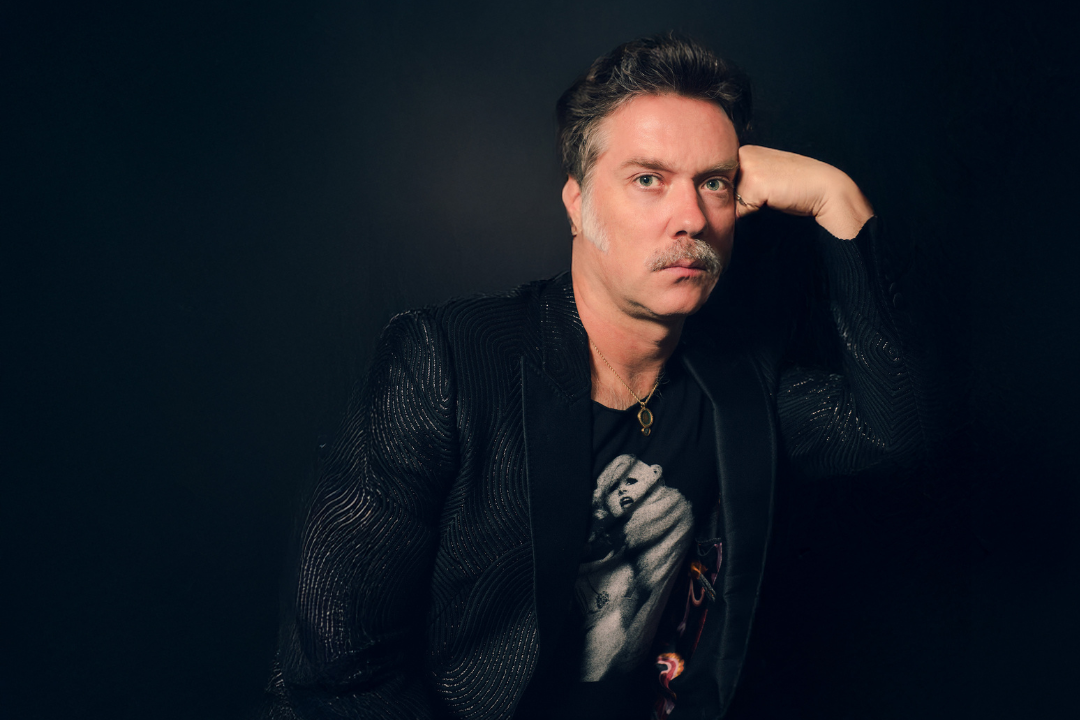
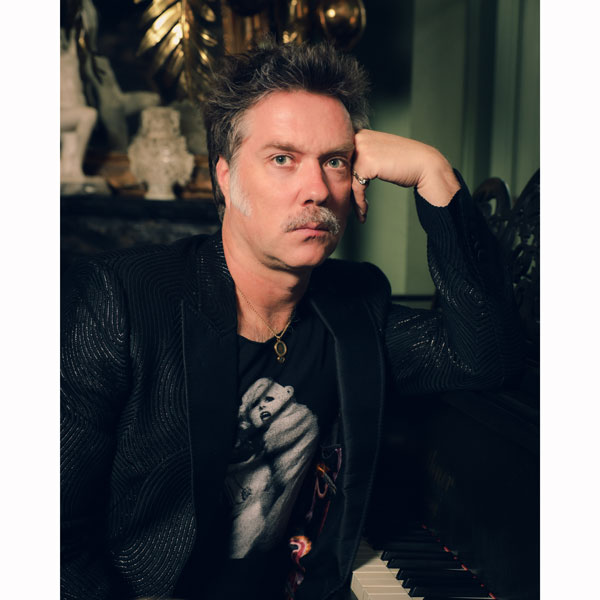
Praised as “the greatest songwriter on the planet,” by Sir Elton John, Rufus Wainwright joins the Princeton Playhouse Sinfonia for a special one-night-only engagement performing selections from his albums Rufus does Judy at Carnegie Hall and Want One, Want Two, and beyond. Princeton Playhouse Sinfonia is a dynamic new collaborative ensemble that brings together student musicians from Princeton University's Sinfonia, directed by Ruth Ochs, and Princeton Playhouse Orchestra, directed by Solon Snider Sway, alongside members of the Princeton Jazz Ensembles and local professional musicians.
On the mark of its 20th anniversary this year, Wainwright’s “Rufus Does Judy” is undoubtedly one of the most sensational shows from his incredible career, an exhilarating and loving recreation of Judy Garland’s infamous 1961 comeback concert. “Rufus Does Judy” made its premiere at Carnegie Hall in 2006 and garnered Wainwright’s first GRAMMY nomination for Best Traditional Pop Vocal Album. The full program has been performed globally including the London Palladium, Hollywood Bowl, Paris’ L'Olympia, and Toronto’s Luminato Festival. For the Colorado Symphony show, Wainwright will curate a special selection of his favorite songs from the album. 2026 will be the last time Rufus reprises this iconic show.
Rufus Wainwright’s Want One and Want Two have earned recognition as iconic albums worldwide, with Paste Magazine elevating Want One to the No. 1 album of the year, and Rolling Stone Magazine listing it in their top 5 best albums of 2003. Bowie hailed Wainwright’s song ‘Dinner at Eight’ as the “best father/son song he knew”. 22 years later, these songs have been given new life through lush symphonic arrangements by Sally Herbert (Woodkid, Florence + the Machine) and Max Moston (Antony and the Johnsons).
Combined in one program, these works form just a few of the many pillars of Rufus Wainwright’s extensive career—works that define his singular voice and fearless emotional range, merging vulnerability with spectacle, tradition with reinvention. Decades on, these songs continue to resonate as the foundation of Wainwright’s legacy.